

MOT QC checks are an important part of maintaining testing standards, but they’re also an area that can easily become a box-ticking exercise rather than a useful quality-management tool.
If you run an MOT Test Station, you’re responsible for having an effective system for managing the quality of MOT testing. Quality Checks (QC) form part of that wider system, helping you identify problems, support testers and demonstrate what you’ve done when improvements are needed.
At Pro-Tech MOT & Automotive Academy, we support MOT stations with quality management, independent QC checks and compliance. Here’s what effective MOT QC checks should involve, how often they should be carried out and how to make sure they’re genuinely helping you maintain standards.
What Are MOT QC Checks?
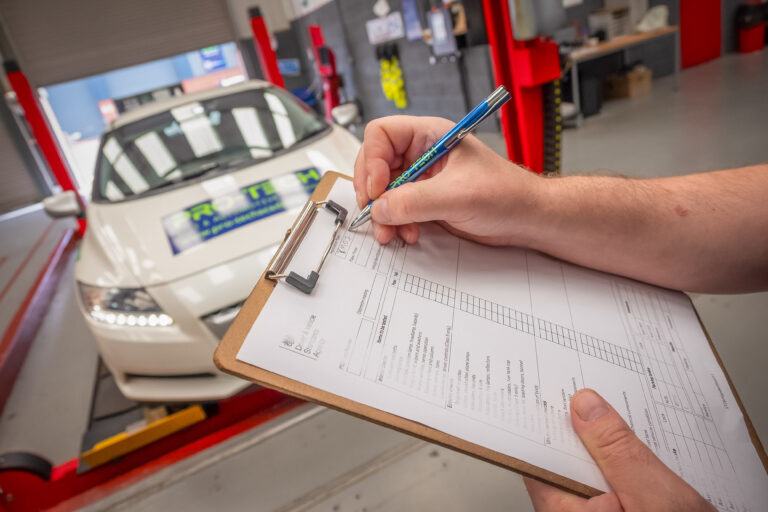
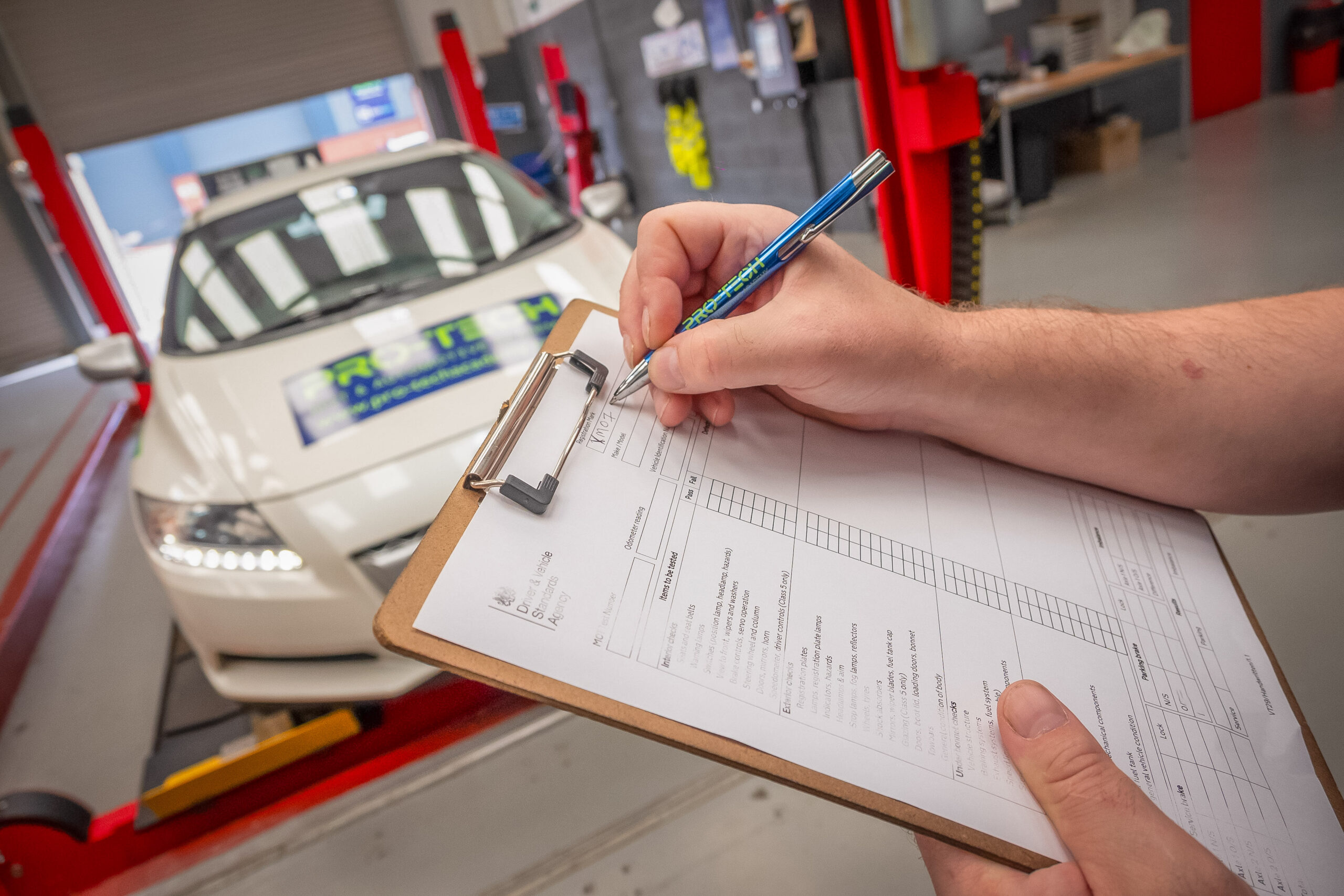
A Quality Control check is an independent review of an MOT test carried out by an authorised tester. It provides a second set of eyes to confirm that the inspection was completed correctly and in line with DVSA standards.
Done properly, MOT QC checks:
- Identify errors or training needs before DVSA do
- Promote consistency and fairness in test outcomes
- Provide documented evidence of compliance
- Reduce the likelihood of disciplinary action or adverse site review outcomes
QC isn’t about catching people out, it’s about maintaining standards and protecting everyone involved.
How Often Should MOT QC Checks Be Done?
This is where we hear the most myths and where DVSA expectations are often misunderstood.
“I’m testing on my own, so I don’t need MOT QC checks.”
This is incorrect.
DVSA expects all testers to receive QC checks – including lone testers.
As a minimum expectation:
- One QC check every two months
- Based on an average of 2-3 tests per day
- Increased pro-rata if a tester is carrying out more tests than the national average
For lone testers, DVSA still expects some form of QC process, which may include:
- Regular, documented reviews of TQI data
- Independent oversight where possible
- Clear records showing checks are being carried out and reviewed
In all cases, QC activity must be documented.
“I’m the manager and I do the QC, so I don’t need a QC check.”
Again – incorrect.
The QC role has been removed from MTS, and DVSA now expects ALL testers to receive regular MOT QC checks regardless of their role within the VTS.
Being the following does not remove the requirement for QC oversight.:
- The manager
- The AE
- The AEDM
Every tester must be subject to regular, independent quality monitoring.
What Should a Proper MOT QC Check Include?
A meaningful QC check should provide useful assurance about testing standards, rather than simply producing another completed form.
Depending on the quality-assurance method being used, this can include:
- observing the MOT testing process
- re-examining the vehicle to check how testing standards have been applied
- discussing any differences identified
- agreeing any corrective action or additional training required
- clearly recording the findings and actions taken
- following up where necessary to make sure identified issues have been addressed
A good quality-management system will sometimes find things that need improving. In fact, DVSA explicitly warns that a system that never identifies anything wrong is unlikely to be working effectively.
Common MOT QC Mistakes We See
Through our work supporting MOT stations nationally, we regularly see issues such as:
- QC checks not being done at all
- Checks carried out informally with no documentation
- The same person “marking their own homework”
- Repeated errors not being addressed
- Assumptions that “no news is good news”
DVSA will review your QC process during site visits. If it’s weak, inconsistent or undocumented, it can quickly escalate into Improvement Needed outcomes, warnings or disciplinary action.
Best Practice Tips from Pro-Tech
Based on DVSA expectations and real-world experience:
- Schedule QC checks as a routine activity, not a reaction
- Use a standardised QC form for consistency
- Increase frequency for new, returning or higher-volume testers
- Use QC outcomes to guide CPD and refresher training
- Keep QC records for at least five years
- If independence isn’t possible in-house – bring in external support
How Pro-Tech Can Help
Effective quality management is about more than completing an MOT QC form every so often. It’s about having a system that helps you monitor standards, identify risks and act when something needs attention.
Pro-Tech provides independent MOT QC checks and wider quality-management support to MOT Test Stations across the UK, including:
- independent tester QC checks
- MOT test quality and performance reviews
- reviews of existing quality-management arrangements
- support identifying and addressing weaknesses
- practical guidance and follow-up where improvements are required
Want to Strengthen Your MOT Quality Management?
Whether you need independent MOT QC checks or want to review how quality is managed across your MOT operation, Pro-Tech can help you build an approach that’s practical, proportionate and properly documented.